
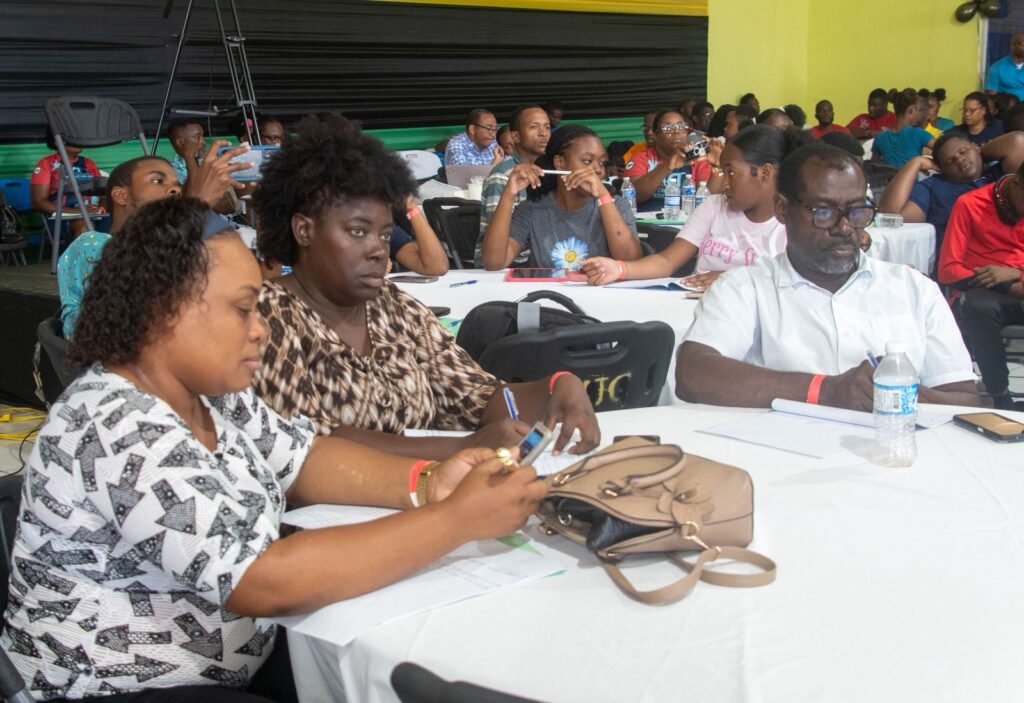
Approximately 200 media personnel from across the West and North Jamaica Conferences were recently trained during a joint Communication Workshop. The initiative formed part of the Conferences’ ongoing efforts to strengthen digital evangelism across their territories. The theme, “Connect, Collaborate, Create”, highlighted the need for members to find modern and effective ways to share the gospel with the world.
Sessions were facilitated by a team of experienced presenters, including Jim Patterson who led Graphic Design; Stefan Fiddler, Cinematography; Kirk Campbell, Social Media Management; Henal Latty, Video Production; David Heron, Audio Engineering; Lawrie Henry, News Writing, and Nigel Coke, who presented on Photojournalism and the church’s identity standards.
Offering a wider perspective, Elder Nigel Coke, former Communication Director of the Jamaica Union Conference, emphasized the growing importance of intentional investment in digital communication.
“Our world church has recognized the importance of the convergence of our timeless message
and modern technology to global mission… through what is called the Digital Strategy for Mission.”
Commenting on how the workshop fits into the Conference’s wider mission, newly appointed Communication Director of West Jamaica Conference, Mr. Wayne Clarke, said it forms part of a deliberate shift toward digital evangelism.
“The workshop directly advances our digital evangelism strategy by building practical capacity. Participants were trained to use their personal and church social media to create content, engage audiences, and use tools they already have to produce reels, short films, and other media that can inspire faith.”
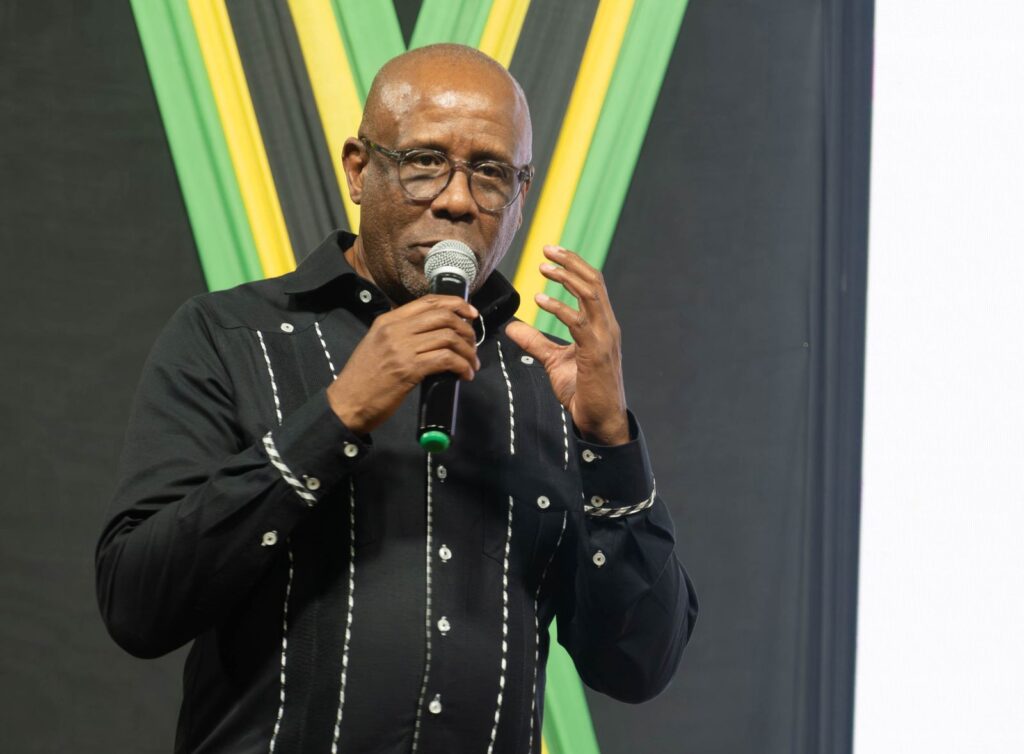
Elder Coke also affirmed the value of the Communication workshop.
“It is very important for church communicators to hone digital skills and for the church to invest in training for digital mission, because this is the way of the world and the church cannot be left behind. I commend the West and North Jamaica Conferences for what was a timely and very successful initiative”
At the global level, the Seventh-day Adventist Church has been placing increased emphasis on strengthening its digital presence through coordinated evangelism efforts. One such initiative, One Voice 2027, aims to unify the church’s media platforms with local church engagement, creating a more integrated approach to sharing the gospel worldwide.
“The initiative will, however, culminate in 2030, and so I expect this level of training and equipping not only of communicators but of members to intensify overall, and the Three Angels’ Message to go throughout the world with greater urgency.”
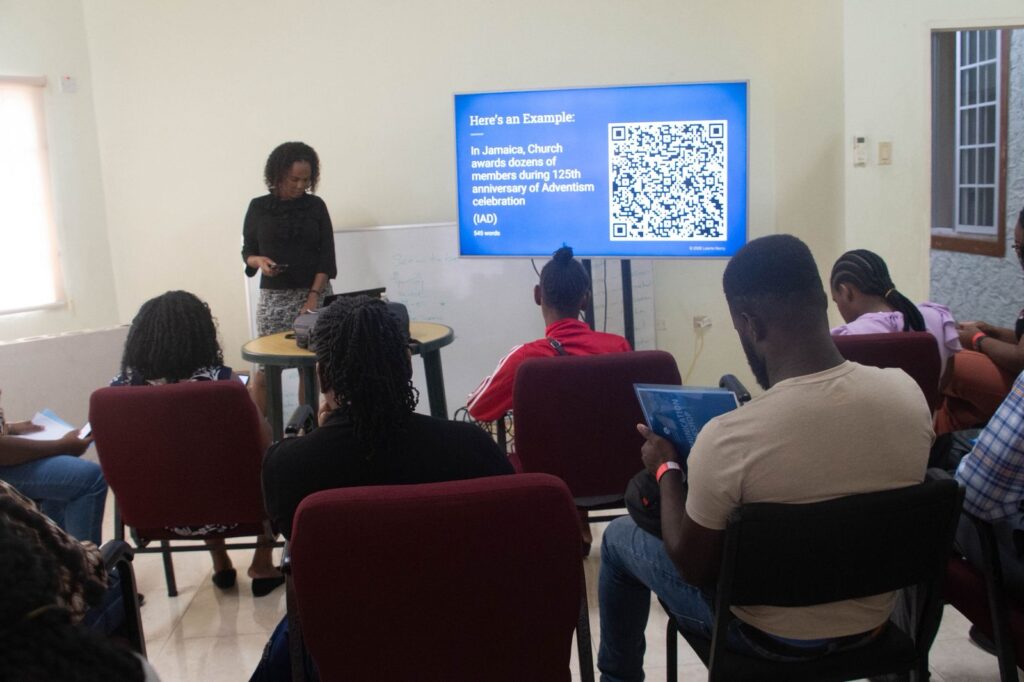
Drawing on her experience within both the media landscape and the Adventist Church, Lawrie Henry, who led the News Writing session, added that more intentional storytelling and training can push the church’s message beyond its walls. She emphasised that the Adventist Church must tell its story in ways that connect with people where they are, making the message both relevant and relatable.
“There is a strong need for news writing, because when information gets out there, people may not see the direct impact, but they get a glimpse of the reach of the story. The more people understand how to share it effectively, the further it can go.”
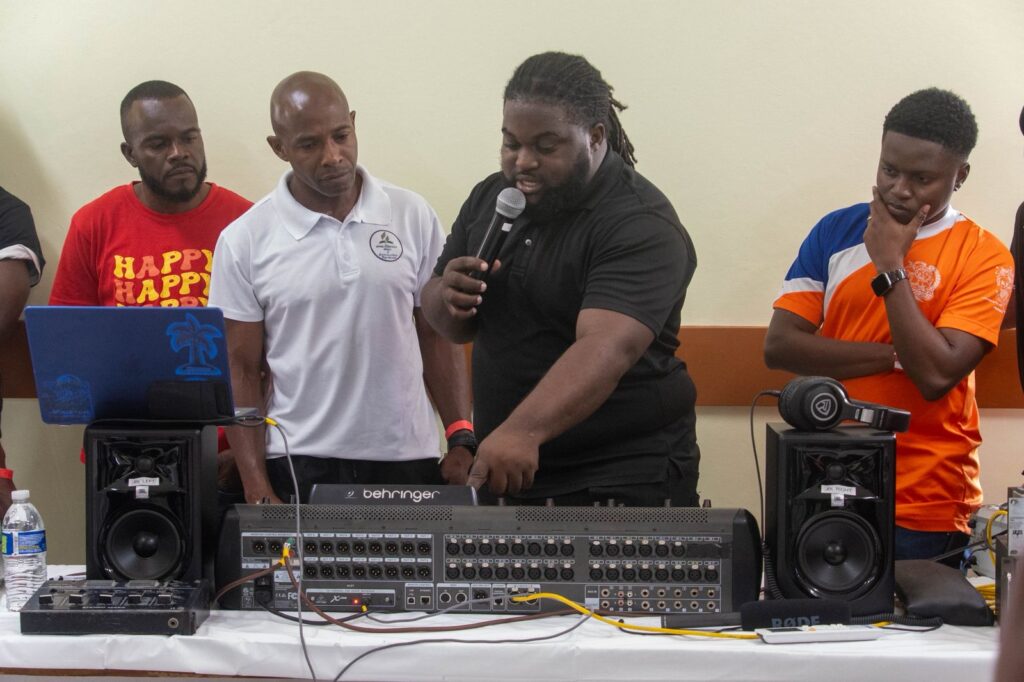
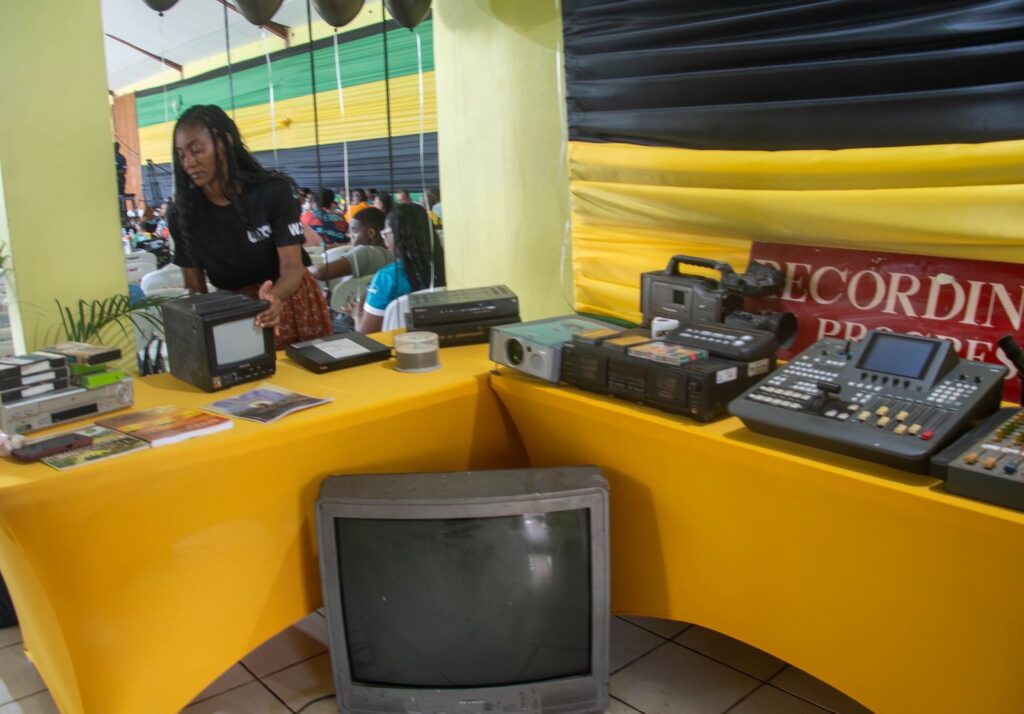
In addition to the theoretical and practical training sessions, trainees engaged in guided tours of the Conference’s media rooms, an education resource expo and a showcase of vintage multimedia equipment.
From the perspective of an educator, Kimberlee Williams who teaches at a local high school, shared how the workshop reshaped her approach to communication in ministry.
“The workshop changed how I think about communication in ministry. It taught me that it’s not only what you say, but how you deliver it so people can truly connect. Creating a video in the Cinematography class helped me see even more how powerful storytelling and visuals can be, especially for reaching this generation.”
Hearing about the workshop just three days before it began, Shemar Stewart, a Report Analyst by profession, made the decision to attend and develop his skills in Audio Engineering. Pointing to the emergence of online ministry, he explained how audio quality plays a key role in how the message is experienced.
“Better audio helps the listener to focus on the message. Clear consistent sound helps people to understand, stay engaged, and really connect with what is being shared.”
Plans are already in motion to host future workshops given the strong support for the initial training.
“This was never intended to be a one-time event. It will be a yearly undertaking, and we are encouraged and motivated by the level of support.” said Wayne Clarke.
He continued, “We are excited to see the results of what the participants have learned.”